1450 Debbie Ln #130, Arlington, TX 76002


If you have a missing tooth, you are not alone. Millions of Americans deal with this exact situation every year. At South Arlington Smiles, we answer five questions about dental bridges we hear every week in Arlington from patients just like you. Knowing what to expect helps you make confident, informed decisions about your smile.
Dr. Talon Davis and our team believe patient education is the foundation of great dental care. We never want you to feel rushed or confused during a consultation. So let us walk through the most common questions we hear — honestly and clearly.
Question One: What Exactly Is a Dental Bridge?
A dental bridge is a fixed restoration that replaces one or more missing teeth. It uses the teeth on either side of the gap as anchors, called abutment teeth. A false tooth — called a pontic — sits in between those anchors and fills the empty space.
Bridges are cemented in place, so they do not come in and out like a partial denture. Most patients adapt to them quickly. They look, feel, and function like natural teeth in most everyday situations.
Traditional bridges are the most common type. However, Maryland bridges and implant-supported bridges are also available depending on your specific needs. Dr. Davis will evaluate your situation and recommend the best fit for your smile.
Question Two: Am I a Good Candidate for a Dental Bridge in Arlington?
Most patients with one or more missing teeth can be good candidates. However, a few factors influence whether a bridge is the right solution for you. The teeth surrounding the gap need to be strong and healthy enough to support the bridge.
During your consultation at South Arlington Smiles, Dr. Davis will examine your gums, jawbone, and remaining teeth. He checks for signs of gum disease, decay, or bone loss. Addressing those issues first ensures your bridge lasts as long as possible.
Patients who practice strong Preventive Dentistry Arlington habits tend to be the best candidates. Brushing, flossing, and regular checkups protect both the bridge and the surrounding teeth over time.
- You have one or more adjacent teeth missing
- Your surrounding teeth are healthy and structurally sound
- Your gums show no active signs of disease
- You are committed to ongoing oral hygiene and checkups
Question Three: What Does the Dental Bridge Process Actually Look Like?
Many patients worry the process is complicated or painful. In reality, it typically requires just two visits to our Arlington office. The steps are straightforward and manageable.
Here is what you can expect during treatment:
- Consultation and exam: Dr. Davis reviews your X-rays and discusses your goals and options.
- Tooth preparation: The abutment teeth are gently shaped to make room for the dental crowns that anchor the bridge.
- Impressions: We take precise impressions of your teeth and send them to a dental lab.
- Temporary bridge: You receive a temporary bridge to protect your teeth while the permanent one is crafted.
- Final placement: Your custom bridge is fitted, adjusted, and permanently cemented in place.
Most patients experience minimal discomfort during and after the procedure. Any sensitivity around the abutment teeth usually fades within a few days. Our team walks you through aftercare instructions before you leave our office.
Question Four: How Long Will My Dental Bridge Last?
This is one of the five questions about dental bridges we hear every week in Arlington — and for good reason. A bridge is a long-term investment in your smile. Most patients want to know exactly what they are committing to.
With proper care, dental bridges typically last between 10 and 15 years. Some last even longer. The longevity depends largely on your oral hygiene habits and whether you attend regular checkups.
Flossing under the bridge is especially important. Special tools like floss threaders or a water flosser make this easier. Dr. Davis and our hygiene team will show you exactly how to clean your bridge effectively.
We also recommend avoiding habits that stress the bridge unnecessarily. Chewing ice, biting fingernails, or using your teeth as tools can shorten the lifespan of any dental restoration. Small daily habits make a big difference over time.
Question Five: How Does a Bridge Compare to Dental Implants?
This comparison comes up often in our Arlington consultations. Both options replace missing teeth, but they work very differently. Understanding the difference helps you choose with confidence.
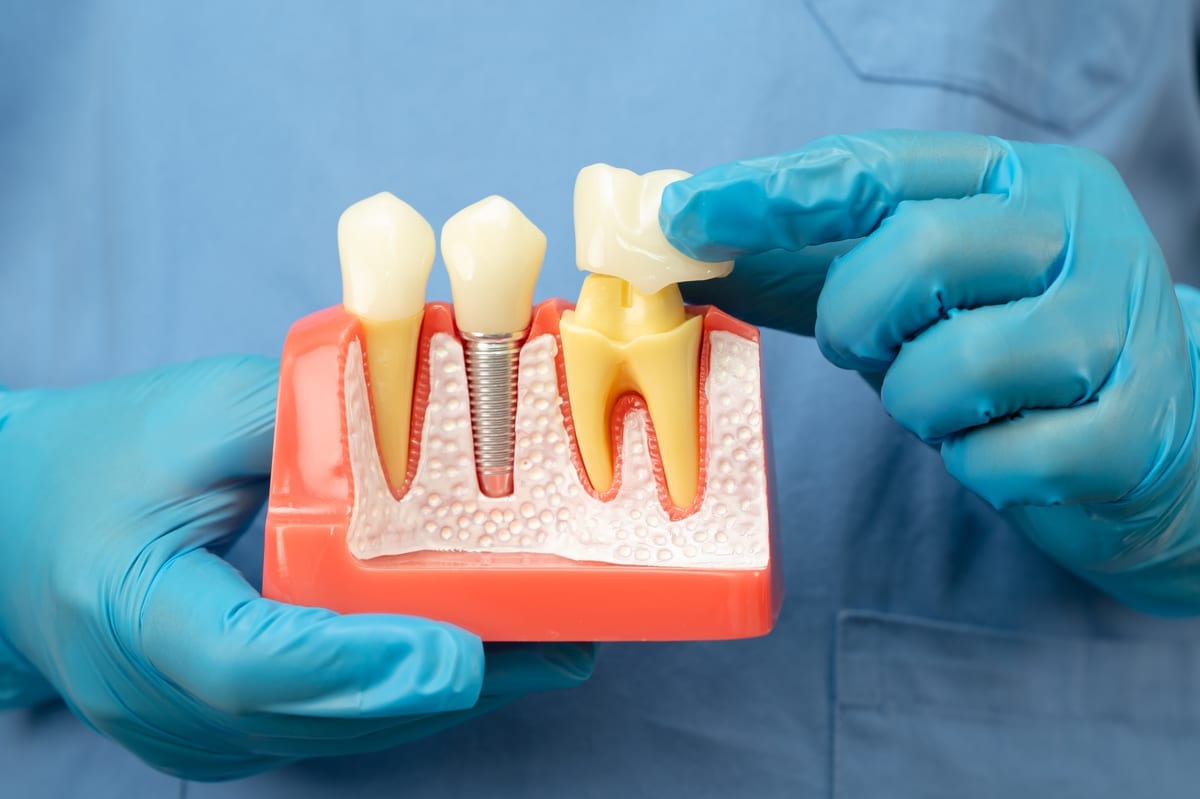
A dental bridge relies on adjacent teeth for support. A dental implant replaces the tooth root directly in the jawbone. Implants are a standalone solution that does not affect neighboring teeth at all.
Bridges tend to be faster and less involved from a treatment standpoint. Implants take longer but preserve bone and do not require reshaping healthy teeth. Both are excellent options — the right choice depends on your health, goals, and timeline.
If you are exploring broader smile improvements alongside tooth replacement, our team also offers Cosmetic Dentistry Arlington services that can complement your restoration. Dr. Davis will help you see the full picture before making any decisions.
- Bridges: faster timeline, uses adjacent teeth for support
- Implants: longer process, preserves jawbone, independent of other teeth
- Both: natural-looking results and restored chewing function
- Best choice: determined after a thorough exam with Dr. Davis
What to Expect at Your Dental Bridge Consultation at South Arlington Smiles
Your first appointment is a conversation, not a commitment. Dr. Davis listens to your concerns and answers every question before anything moves forward. We never pressure patients into treatment decisions.
We will take digital X-rays and examine your full mouth during the visit. From there, Dr. Davis explains your options clearly and creates a personalized treatment plan. You leave the appointment knowing exactly what your path to a complete smile looks like.
Our team at South Arlington Smiles is proud to serve the Arlington, TX community with compassionate, honest dental care. We make it easy for new patients to get started. Book Now to schedule your appointment with our team.
Frequently Asked Questions
Does getting a dental bridge hurt?
Most patients experience very little discomfort during the bridge procedure. Dr. Davis uses local anesthesia to numb the area completely before preparing the abutment teeth. Some mild sensitivity after the appointment is normal and typically resolves within a few days.
How do I clean under a dental bridge?
Cleaning under a bridge requires a bit of extra attention. Floss threaders, interdental brushes, or a water flosser allow you to clean beneath the pontic effectively. Our hygiene team at South Arlington Smiles will demonstrate the best technique during your visit.
Can a dental bridge fall out?
A properly placed and well-maintained dental bridge is designed to stay firmly in place. However, decay under the abutment crowns or gum disease can weaken the foundation over time. Regular checkups allow Dr. Davis to catch any issues before they affect the bridge’s stability.
Is a dental bridge noticeable when I smile?
Modern dental bridges are crafted to closely match the color, shape, and size of your natural teeth. Most people cannot tell the difference between a bridge and a real tooth. Dr. Davis takes careful measurements and works with a skilled dental lab to achieve a natural-looking result.
How soon can I eat normally after getting a dental bridge?
Most patients return to normal eating habits within a few days of receiving their permanent bridge. We recommend starting with softer foods right after placement and gradually reintroducing harder textures. Dr. Davis will give you specific aftercare guidance based on your individual treatment.