1450 Debbie Ln #130, Arlington, TX 76002

Your teeth rarely give you a loud warning before something goes seriously wrong. Most dental problems start quietly — a twinge here, a small spot there. Knowing the 5 silent signals your teeth need help before problems worsen in Arlington could save you from painful, costly procedures later. Dr. Talon Davis and the team at South Arlington Smiles want every patient to catch these signs early.
Arlington residents lead busy lives, and dental visits can fall to the bottom of the priority list. But ignoring early warning signs almost always leads to bigger problems. Let’s walk through what your mouth may already be telling you.
Signal 1: Tooth Sensitivity That Comes and Goes in Arlington
Occasional sensitivity to hot or cold foods is one of the most overlooked warning signs. Many people assume it is normal or that it will go away on its own. In reality, sudden or worsening sensitivity often signals enamel erosion or an early cavity.
Sensitivity can also point to a cracked tooth or receding gums. Both conditions worsen without professional care. Early treatment is far simpler than treating an exposed root or a split tooth.
- Sharp pain when eating cold foods or drinking hot coffee
- A lingering ache after sweets or acidic drinks
- Sensitivity that affects one specific tooth rather than all teeth
- Discomfort that appears during brushing or flossing
If you notice any of these patterns, schedule a checkup soon. Dr. Talon Davis can pinpoint the exact cause and recommend the gentlest solution possible.
Signal 2: Bleeding Gums Are Never Just a Flossing Problem
Many patients assume their gums bleed because they floss too hard or not often enough. Occasional minor bleeding can happen when you restart a flossing routine. However, gums that bleed regularly are signaling inflammation beneath the surface.
Bleeding gums are the most common early sign of gingivitis. Gingivitis is fully reversible with professional care. Left untreated, it advances into periodontitis — a serious infection that can lead to bone loss and tooth loss.
Regular teeth cleaning appointments remove the plaque buildup that triggers gum disease. Professional cleaning reaches areas your toothbrush simply cannot. Do not wait until your gums hurt — pain often arrives only in the later stages of gum disease.
- Gums that bleed every time you brush or floss
- Red, swollen, or tender gum tissue
- Gums that appear to be pulling away from teeth
- Persistent bad breath that brushing does not resolve
Signal 3: Dark Spots, White Patches, and Visible Changes on Teeth
A dark spot on your tooth is not always a shadow. Dark or brown spots are often early-stage cavities. Catching decay at this point means a simple filling — not a crown or root canal.
White or chalky patches on tooth surfaces are also a red flag. These spots indicate that enamel is demineralizing. This is the stage just before a cavity forms. Acting now can sometimes reverse the process entirely.
Soft tissue changes matter too. White patches, red sores, or unusual lumps on your gums, cheeks, or tongue should be evaluated promptly. Routine dental checkups at South Arlington Smiles include an oral cancer screening at every visit. Early detection makes an enormous difference in outcomes.
If you have been considering cosmetic improvements, Cosmetic Dentistry Arlington services can address discoloration or damaged teeth once underlying health concerns are resolved. Healthy teeth are always the foundation for any aesthetic treatment.
Signal 4: Jaw Pain, Headaches, or a Changing Bite
Jaw discomfort and frequent headaches often have a dental origin. Teeth grinding — called bruxism — is extremely common among stressed adults. Many people grind at night and have no idea it is happening.
Signs of bruxism include worn-down tooth surfaces, jaw soreness in the morning, and headaches that start near the temples. A custom night guard from Dr. Talon Davis can protect your teeth before serious damage occurs.
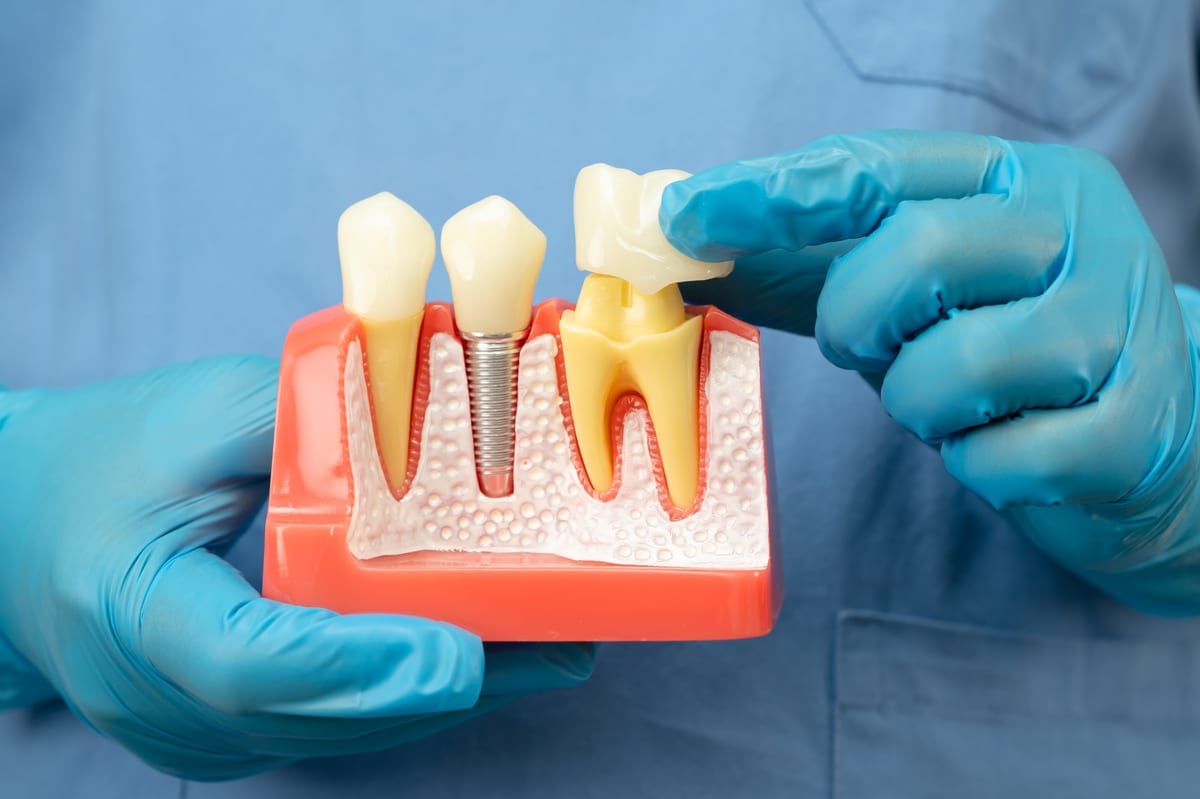
A bite that feels different is also worth investigating. If your teeth no longer come together the way they used to, a tooth may be shifting. This can signal bone loss or a missing tooth that needs replacement. Dental implants restore proper bite alignment and prevent surrounding teeth from drifting out of position.
Patients who feel anxious about jaw evaluations or dental visits in general can explore Sedation Dentistry Arlington options. Comfort should never be a barrier to getting care you need.
Signal 5: A Tooth That Aches, Feels Loose, or Looks Different
A persistent toothache is your body’s clearest call for help. Even a dull, mild ache should not be ignored. Pain inside a tooth often means decay has reached the nerve. At that stage, a root canal or extraction may be the only options without prompt care.
A tooth that feels even slightly loose in an adult is always a concern. Healthy adult teeth do not shift or wiggle. Looseness typically indicates advanced gum disease or bone deterioration beneath the surface.
Visible changes — like a tooth that looks longer than before or a gap that seems wider — are also warning signs. These changes happen gradually, which makes them easy to dismiss. Comparing current dental photos to past ones can help you notice subtle shifts over time.
Why Acting Early in Arlington Always Pays Off
Dental problems follow a predictable pattern: they start small and they grow. A tiny cavity becomes a large one. A large cavity leads to a crown. An untreated crown candidate may eventually need an implant. Every step of delay adds complexity and cost.
The good news is that early-stage problems are almost always easier to treat. South Arlington Smiles offers metal-free crowns, implant dentures, and full implant dentistry for patients who need restorative care. But the goal is always to help you avoid reaching that point in the first place.
Preventive dentistry is the single most effective investment you can make in your long-term oral health. Twice-yearly visits to Dr. Talon Davis give our team the chance to catch these silent signals before they escalate. Arlington patients who stay consistent with their checkups consistently need fewer major procedures over time.
Do not wait for a dental emergency to take action. Book Now to schedule your appointment with our team.
Frequently Asked Questions
How often should I visit the dentist to catch problems early?
Most adults benefit from dental checkups every six months. Patients with a history of gum disease or frequent cavities may need visits every three to four months. Dr. Talon Davis will recommend a schedule based on your specific oral health needs.
Is tooth sensitivity always a sign of a cavity?
Not always. Sensitivity can result from enamel erosion, gum recession, a cracked tooth, or early decay. A professional evaluation is the only way to identify the true cause and recommend the right treatment plan.
Can bleeding gums heal on their own without treatment?
Gingivitis — the earliest stage of gum disease — can improve with improved brushing, flossing, and a professional cleaning. However, if the bleeding persists beyond a few weeks, a dental visit is essential. Advanced gum disease cannot reverse itself and requires professional intervention.
What should I do if I notice a dark spot on my tooth?
Schedule a dental appointment as soon as possible. Dark spots often indicate early decay, and treating a cavity early is far simpler than waiting. Dr. Talon Davis uses gentle techniques and modern materials to restore teeth with minimal discomfort.
Are jaw pain and headaches really connected to dental health?
Yes. Jaw pain, morning headaches, and earaches are frequently linked to teeth grinding or a misaligned bite. A thorough dental evaluation can determine whether a night guard or bite correction is needed to relieve your symptoms.