1450 Debbie Ln #130, Arlington, TX 76002

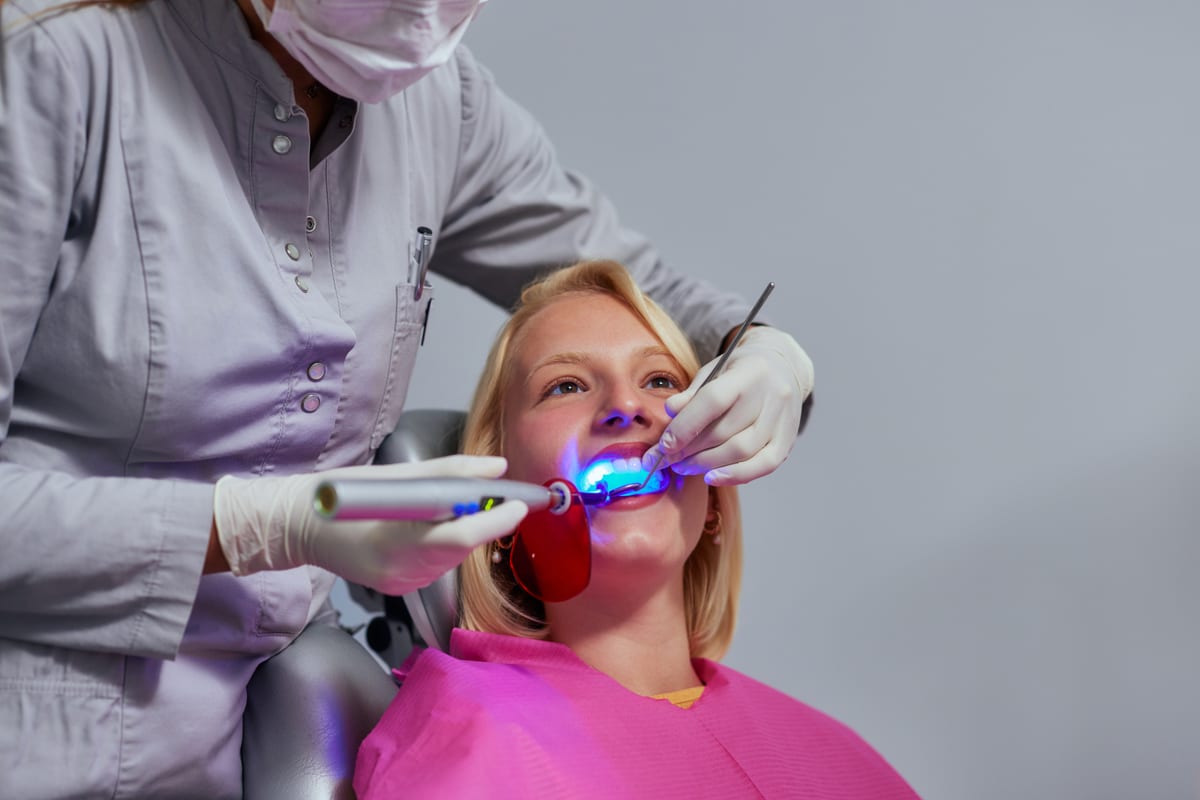
Teeth whitening sensitivity is one of the most common concerns patients have before treatment. Many people want a brighter smile but worry about discomfort during or after whitening. Understanding teeth whitening sensitivity — why it happens and how to prevent it — helps you make an informed decision. At South Arlington Smiles, our dental team wants you to feel confident and comfortable every step of the way.
What Causes Teeth Whitening Sensitivity?
Whitening treatments use peroxide-based agents to break down surface stains. These agents temporarily open the pores in your tooth enamel. This allows the bleaching compounds to reach deeper layers of the tooth.
When enamel pores are open, the inner layer of the tooth — called dentin — becomes more exposed. Dentin contains tiny tubes that lead directly to the nerve. External stimuli like temperature changes can travel through those tubes and trigger discomfort.
This sensitivity is usually temporary. It often appears during treatment and fades within 24 to 48 hours afterward. The level of sensitivity depends on several factors, including the strength of the whitening agent and your natural enamel thickness.
Who Is Most at Risk for Whitening Sensitivity?
Not everyone experiences sensitivity after whitening. However, certain patients are more likely to notice discomfort. Knowing your risk factors helps you prepare and take preventive steps.
Patients who are more prone to sensitivity include:
- People who already have sensitive teeth before treatment
- Those with thin or worn enamel
- Patients with exposed root surfaces or gum recession
- Individuals using high-concentration whitening products at home
- People who whiten too frequently without proper guidance
If you fall into any of these categories, speak with our dental team before starting any whitening treatment. A quick evaluation helps us recommend the safest and most effective approach for your smile.
How Dentists Minimize Whitening Sensitivity
Professional whitening treatments are carefully controlled to reduce discomfort. Dentists have several techniques to protect your teeth during the process. This is one key advantage of professional care over over-the-counter products.
Our dental team at South Arlington Smiles uses these proven strategies to reduce sensitivity:
- Pre-treatment desensitizing agents: Applied before whitening to calm the nerves inside teeth
- Customized whitening trays: Fitted precisely to your teeth to minimize gum contact and irritation
- Lower-concentration formulas: Used for patients with known sensitivity or thin enamel
- Fluoride treatments: Applied after whitening to remineralize enamel and reduce nerve exposure
- Shorter treatment intervals: Scheduled sessions reduce the cumulative effect on enamel
These methods are not available with store-bought whitening kits. Over-the-counter strips and trays often use a one-size-fits-all approach. That lack of customization increases the risk of uneven results and unnecessary discomfort.
What You Can Do at Home to Prevent Sensitivity
Your daily habits play a major role in how your teeth respond to whitening. Taking care of your enamel before and after treatment makes a big difference. Small changes in your routine can significantly reduce discomfort.
Here are practical steps you can take at home:
- Use a sensitivity toothpaste for at least two weeks before whitening
- Avoid very hot or very cold foods and drinks for 48 hours after treatment
- Skip acidic foods like citrus fruits and vinegar-based dressings post-treatment
- Brush gently with a soft-bristled toothbrush to protect enamel
- Do not whiten more often than your dentist recommends
Sensitivity toothpastes contain potassium nitrate or stannous fluoride. These ingredients block the tiny tubules in dentin that transmit pain signals. Using them consistently builds a protective layer over time.
If sensitivity persists beyond 48 hours, contact your dental provider. Prolonged discomfort may signal an underlying issue that needs professional attention. It should never be dismissed as normal.
Professional Whitening vs. At-Home Kits: A Sensitivity Comparison
Many patients try at-home whitening before visiting a dentist. These products can work, but they carry a higher risk of sensitivity. Understanding the differences helps you choose wisely.
Store-bought whitening strips typically contain 6% to 10% hydrogen peroxide. Professional in-office treatments can use concentrations of 25% to 40%. However, professional formulas are applied under controlled conditions with protective barriers for gums.
Without those safeguards, higher sensitivity and uneven whitening are more common with at-home kits. Trays that do not fit correctly allow the gel to contact gum tissue. This causes irritation that has nothing to do with your teeth and everything to do with poor fit.
Professional custom trays, on the other hand, deliver the whitening agent exactly where it is needed. Your gums stay protected. Your results are more even. And your overall experience is far more comfortable.
When to Talk to a Dentist Before Whitening
Whitening is not right for every patient in every situation. Some dental conditions need treatment before bleaching begins. Skipping this step can worsen sensitivity or damage existing dental work.
Schedule a consultation if you have any of the following:
- Untreated cavities or cracked teeth
- Existing dental crowns, veneers, or bonding on front teeth
- Active gum disease or gingivitis
- Severe enamel erosion
Our dental team will complete a thorough examination before recommending any whitening plan. This protects your teeth and ensures the best possible results. Treating any existing issues first also reduces the risk of sensitivity during whitening.
Conclusion: A Brighter Smile Without the Discomfort
Teeth whitening sensitivity is a real concern, but it does not have to stop you from achieving the smile you want. Understanding why it happens — and how dentists prevent it — puts you in control of your whitening experience. With the right preparation and professional guidance, most patients whiten comfortably and safely. At South Arlington Smiles, our dental team is here to walk you through every step of the process. Learn More about how we can help you.
Frequently Asked Questions
Is teeth whitening sensitivity permanent?
No, whitening sensitivity is almost always temporary. Most patients notice discomfort during or immediately after treatment, but it typically resolves within 24 to 48 hours. If sensitivity lasts longer, contact your dental provider to rule out any underlying issues.
Can I whiten my teeth if I already have sensitive teeth?
Yes, but extra precautions are needed. Your dentist may recommend a lower-concentration whitening gel, a desensitizing pre-treatment, and shorter whitening sessions. Always inform your dental team about any existing sensitivity before starting treatment.
Does professional whitening cause more sensitivity than store-bought products?
Not necessarily. Professional whitening uses stronger agents, but dentists apply protective barriers and desensitizing treatments to minimize discomfort. Store-bought kits often lack these safeguards, which can lead to more irritation despite using lower concentrations.
How long should I wait between whitening treatments?
Most dental professionals recommend waiting at least three to six months between full whitening treatments. Whitening too frequently can weaken enamel and increase nerve sensitivity. Your dentist will recommend a schedule based on your individual needs.
What is the best toothpaste to use after whitening?
Sensitivity toothpastes containing potassium nitrate or stannous fluoride are ideal after whitening. These ingredients help block the pathways that carry pain signals to the tooth nerve. Use them consistently for at least two weeks before and after treatment for the best results.