1450 Debbie Ln #130, Arlington, TX 76002

Choosing between clear aligners and metal brackets is a big decision. If you have been asking whether your bite is a good fit for Invisalign or traditional braces, you are not alone. Many patients come to us with the same question. The answer depends on the type, severity, and complexity of your alignment issues.
Both options can produce beautiful, healthy smiles. However, they work differently and suit different cases. Understanding your candidacy helps you have a more informed conversation with our dental team. Let us walk through what each treatment can and cannot do.
What Invisalign Can Fix: Common Candidacy Cases
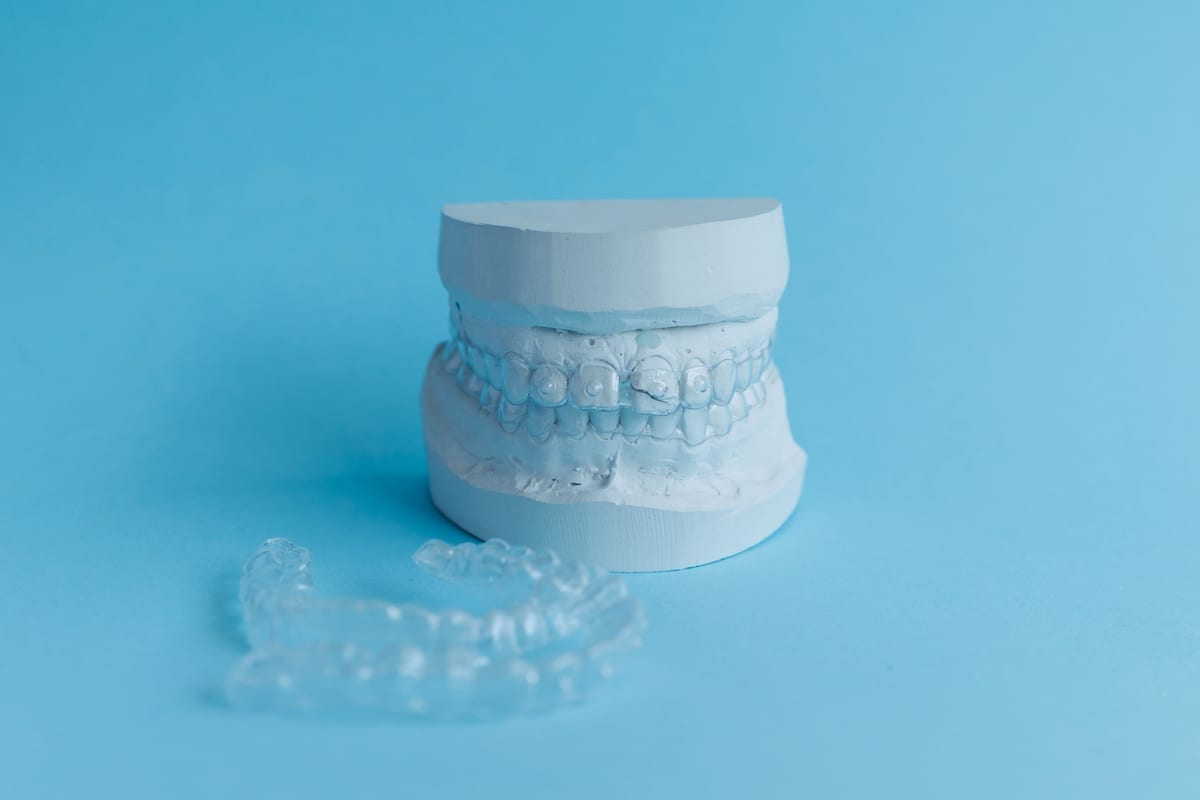
Invisalign uses a series of custom clear aligners to shift teeth gradually. It works well for many mild to moderate orthodontic problems. Clear aligners are removable, discreet, and comfortable for most patients.
Here are the conditions Invisalign commonly treats effectively:
- Mild to moderate crowding — When teeth overlap slightly due to limited jaw space
- Mild to moderate spacing — Gaps between teeth caused by missing teeth or jaw size differences
- Minor overbite — When the upper front teeth extend too far over the lower teeth
- Minor underbite — When the lower teeth sit in front of the upper teeth
- Crossbite — When some upper teeth sit inside the lower teeth
- Open bite — When upper and lower teeth do not meet when biting down
These are general guidelines, not guarantees. Every patient’s mouth is different. Only a professional exam can confirm whether you are a true Invisalign candidate.
When Invisalign May Not Be Enough: Understanding Its Limits
Invisalign is a powerful tool, but it has real limitations. Severe or complex bite issues often require more precise force than aligners can deliver. Traditional braces give orthodontists finer control over tooth movement.
Invisalign may not be the right choice if you have:
- Severe crowding or spacing — Teeth that are significantly out of position
- Large overbite or underbite — Bite problems that affect jaw function
- Intrusion or extrusion needs — Cases where teeth must move significantly up or down
- Rotated teeth — Especially back teeth that need significant rotation correction
- Skeletal jaw issues — Problems rooted in jaw structure rather than tooth position
In these cases, traditional braces provide more reliable results. Sometimes a combination of treatments is recommended. Our dental team will evaluate your specific situation thoroughly before suggesting a plan.
How Traditional Braces Handle Complex Bite Issues
Traditional braces use metal brackets bonded to each tooth. An archwire connects them and applies continuous pressure. This design gives dental professionals precise control over every tooth’s position and angle.
Braces can correct more severe crowding that Invisalign cannot fully address. They handle complex rotations and significant bite corrections more predictably. For younger patients whose jaws are still developing, braces are often the preferred choice.
Modern braces are smaller and more comfortable than older versions. Ceramic and tooth-colored options are also available. Many patients find them less noticeable than traditional metal brackets.
Braces also do not require patient compliance in the same way. Aligners must be worn 20–22 hours per day to work effectively. With braces, the treatment works continuously without the patient removing anything.
Is Your Bite a Good Fit for Invisalign or Traditional Braces? Key Factors to Consider
Several factors influence which treatment is right for you. Age, lifestyle, bite severity, and personal preference all play a role. There is no single right answer for everyone.
Consider these key factors when evaluating your options:
- Severity of misalignment — Mild cases often suit Invisalign; severe cases often need braces
- Compliance ability — Invisalign requires consistent wear; braces are non-removable
- Age — Teens and adults may have different candidacy profiles
- Lifestyle — Athletes and musicians may prefer removable aligners
- Aesthetic preference — Many adults prefer the discreet look of clear aligners
- Treatment timeline — Complex cases may take longer with Invisalign than braces
Discussing these factors with a dental professional is essential. An exam, X-rays, and digital scans help paint a complete picture. Our dental team at South Arlington Smiles uses this full evaluation to guide your decision.
What to Expect During Your Orthodontic Consultation
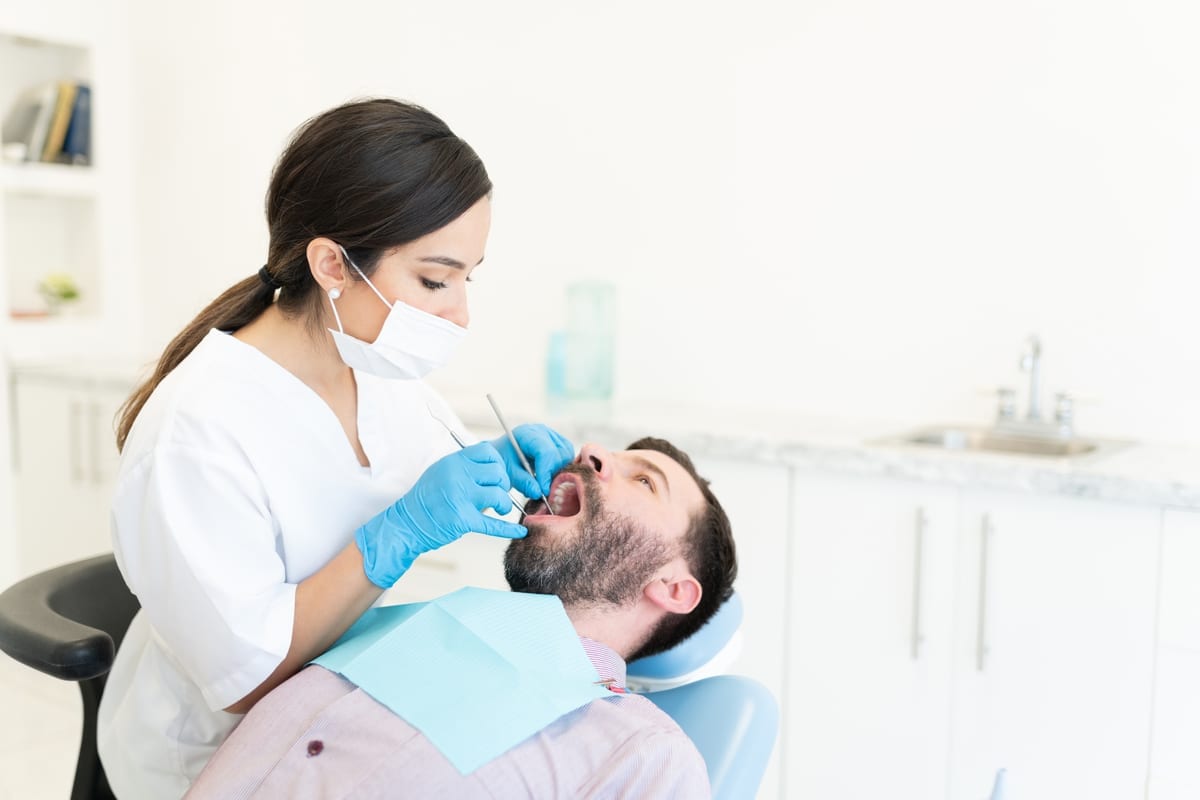
A consultation is the first step toward knowing which treatment fits your bite. Our team will review your dental and medical history during this visit. We will examine your teeth, gums, and jaw alignment closely.
Digital impressions or X-rays may be taken for a detailed view. These images reveal bone structure and root positions that are not visible to the naked eye. They help us plan your treatment accurately from the start.
We will explain both Invisalign and traditional braces in plain language. You will learn what each option involves and what results to expect. We encourage you to ask questions so you feel confident in your decision.
Our goal is not to push one treatment over another. We recommend what will work best for your specific bite and goals. Patient education is at the heart of everything we do at South Arlington Smiles.
Conclusion: Taking the Next Step Toward a Healthier Bite
Knowing whether your bite is a good fit for Invisalign or traditional braces starts with getting the right information. Both treatments can transform your smile and improve your oral health. The key is matching the right tool to the right problem.
Invisalign is an excellent option for mild to moderate issues with the right patient commitment. Traditional braces remain the gold standard for complex and severe cases. Neither is universally better — each has a place in modern dentistry.
Our dental team at South Arlington Smiles is here to guide you through every step. We take time to understand your unique bite before making any recommendations. Learn More about how we can help you find the best path to a straighter, healthier smile.
Frequently Asked Questions
Can Invisalign fix an overbite completely?
Invisalign can correct mild to moderate overbites effectively. However, severe overbites may require traditional braces or a combination of treatments. A dental evaluation will determine the extent of your overbite and the best approach to correct it.
How do I know if my crowding is too severe for Invisalign?
Crowding severity is measured by how much space is needed to align the teeth properly. Mild to moderate crowding typically responds well to Invisalign. Severe crowding, where significant tooth movement is required, may need the stronger control that traditional braces provide.
Is Invisalign a good option for teenagers?
Yes, Invisalign offers a Teen version designed for younger patients. However, teen candidacy depends on how many permanent teeth have erupted and the complexity of their bite issues. A consultation with our dental team will help determine if Invisalign Teen is appropriate.
How long does Invisalign treatment take compared to braces?
Invisalign treatment for mild to moderate cases typically takes 12 to 18 months. Traditional braces for complex cases may take 18 to 36 months. Timelines vary based on the individual’s bite, compliance, and the extent of correction needed.
What happens if I do not wear my Invisalign aligners enough?
Invisalign aligners must be worn 20 to 22 hours per day to work as planned. Wearing them less than recommended slows treatment progress and can reduce effectiveness. Consistent wear is one of the most important factors in achieving successful Invisalign results.