1450 Debbie Ln #130, Arlington, TX 76002

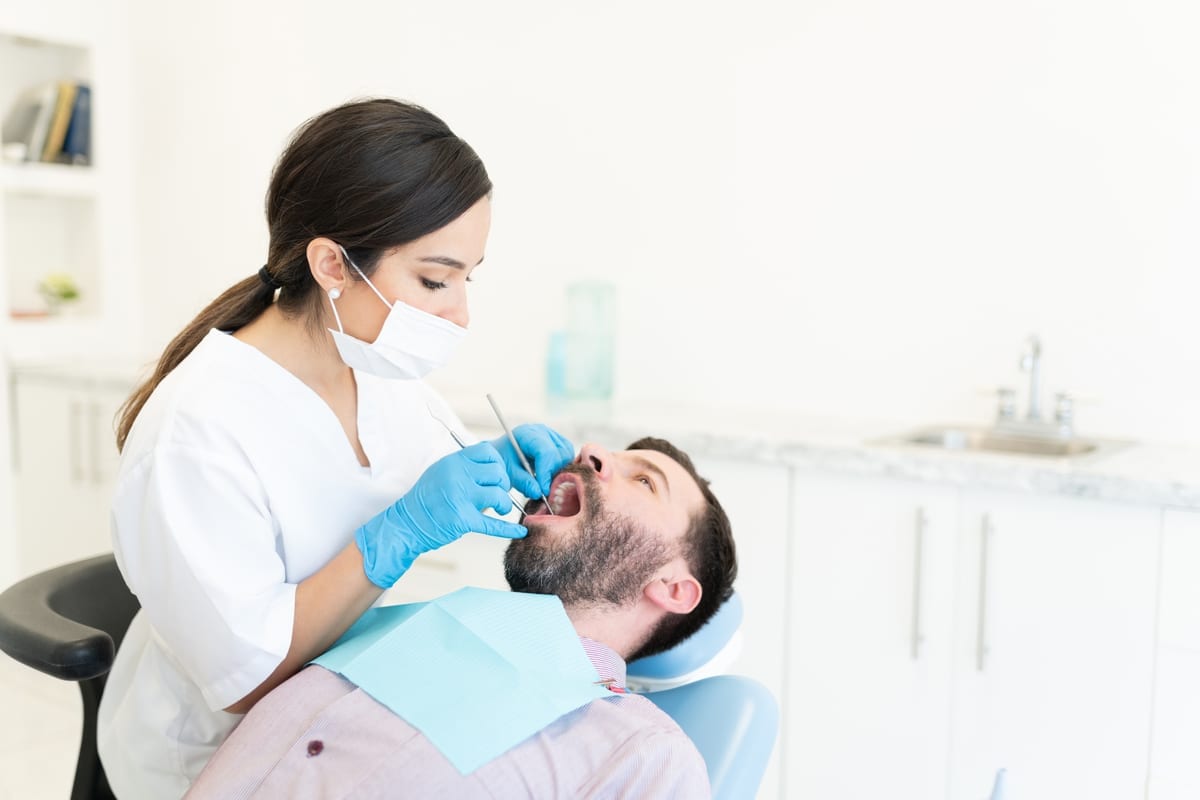
You just finished a professional teeth cleaning at South Arlington Smiles. Your mouth feels fresh, your teeth look bright, and you are ready to show off that smile. But what happens in the next few hours matters more than most patients realize. Knowing what you must do and avoid after your teeth cleaning in Arlington helps you protect those results and support your long-term oral health.
Dr. Talon Davis and our team want every patient to leave feeling confident about their aftercare. This guide walks you through exactly what to expect and how to make the most of your cleaning appointment.
Why Aftercare Matters After Your Teeth Cleaning in Arlington
A professional cleaning removes plaque, tartar, and surface stains. During the process, your gums and enamel surfaces are exposed and temporarily more sensitive. Taking care of those surfaces right away helps your mouth heal and stay clean longer.
Your enamel also becomes slightly more porous after a cleaning. This makes it easier for staining agents to penetrate if you are not careful. Being mindful for the first 24 to 48 hours can make a real difference in maintaining your results.
This is especially true if your hygienist used a fluoride treatment at the end of your visit. That treatment needs time to absorb and strengthen your enamel fully. Certain foods and drinks can disrupt that process if consumed too soon.
What You Should Do in the Hours After Your Cleaning
The first step is simple — stick to water for at least 30 minutes after your appointment. This gives any fluoride treatment time to fully bond with your tooth surfaces. Rinsing or eating too soon can wash away that protective coating before it sets.
After that initial window, focus on gentle and tooth-friendly choices for the rest of the day. Here are some helpful aftercare habits to follow:
- Drink plenty of water throughout the day to rinse away bacteria
- Eat soft, non-staining foods like chicken, rice, yogurt, and bananas
- Brush gently with a soft-bristled toothbrush that evening
- Use a mild, non-whitening toothpaste to avoid irritating sensitive gums
- Floss carefully at bedtime to remove any loosened debris
Gentle brushing is key on the evening after your cleaning. Your gums may feel tender after the hygienist worked around the gumline. A soft touch prevents irritation while still keeping your teeth clean.
Good Preventive Dentistry Arlington habits start right at home. Rinsing with a mild saltwater solution can also soothe any gum sensitivity after your appointment. Mix one teaspoon of salt into eight ounces of warm water and swish gently.
Foods and Drinks to Avoid After Your Teeth Cleaning
Your teeth are more vulnerable to staining immediately after a professional cleaning. The polishing process removes surface stains and opens the door for new ones if you are not careful. Try to avoid staining foods and drinks for at least 24 hours after your visit.
Here is a list of what to avoid in the first 24 to 48 hours:
- Coffee and tea — both are high in tannins that stain enamel
- Red wine — a top offender for surface staining
- Dark berries like blueberries and blackberries
- Tomato-based sauces and soups
- Soy sauce and balsamic vinegar
- Smoking or using any tobacco products
- Sugary sodas and sports drinks
Beyond staining, sugary foods and drinks feed bacteria that cause plaque. Avoiding them right after your cleaning helps your mouth stay in that freshly cleaned state longer. Think of it as giving your teeth a head start.
Tobacco use is especially harmful during this window. It stains enamel quickly and slows down any gum healing that needs to happen. If you have been thinking about quitting, this is a great motivator to take that step.
Managing Sensitivity After Your Appointment
Tooth and gum sensitivity after a cleaning is completely normal. Many patients notice their teeth feel more sensitive to hot or cold for a day or two. This is a natural response to the cleaning process and usually fades quickly.
You can manage that sensitivity with a few simple strategies. Use a toothpaste designed for sensitive teeth if you experience discomfort. Avoid very hot or very cold foods and beverages for the first 24 hours after your visit.
If your sensitivity lasts longer than a few days, that is worth mentioning to Dr. Talon Davis. Persistent sensitivity can sometimes signal an underlying issue that needs attention. Our team is always happy to answer questions and make sure you are comfortable.
Some patients also experience slight gum tenderness around areas where tartar buildup was removed. This is especially common for patients who come in after a longer gap between cleanings. That tenderness should resolve within a day or two with proper care.
How to Extend the Benefits of Your Cleaning at Home
A professional cleaning gives you a clean slate — but your daily habits determine how long those results last. Brushing twice a day and flossing once a day are your two most important tools. Use a fluoride toothpaste and spend at least two minutes brushing each session.
Consider adding a mouthwash to your routine as well. An antimicrobial rinse can help reduce bacteria between brushings. Ask Dr. Talon Davis which type is best suited for your specific oral health needs.
If you are interested in enhancing your smile beyond routine cleanings, our team also offers Cosmetic Dentistry Arlington services to help you achieve the look you want. From whitening to restorations, we have options to complement your healthy smile.
Staying consistent with your scheduled cleaning appointments is also essential. Most patients benefit from a professional cleaning every six months. Sticking to that schedule prevents tartar from building up and keeps your gums healthy over time.
Conclusion: Protect Your Clean Smile Every Day
Aftercare is just as important as the cleaning itself. By following these simple steps, you protect your enamel, prevent new staining, and set yourself up for a healthier smile. Small choices in the hours after your appointment add up to big results over time.
At South Arlington Smiles, Dr. Talon Davis and our team are committed to helping every patient in Arlington maintain a healthy and confident smile. We are here to support you at every step — from your cleaning appointment to your daily home care routine. Book Now to schedule your appointment with our team.
Frequently Asked Questions
Can I eat right after my teeth cleaning?
It is best to wait at least 30 minutes before eating after a cleaning, especially if you received a fluoride treatment. After that window, choose soft and non-staining foods for the rest of the day. Avoid dark-colored foods and sugary items for the first 24 to 48 hours to protect your freshly cleaned teeth.
How long does sensitivity last after a teeth cleaning?
Most patients experience mild sensitivity for one to two days after a professional cleaning. This is completely normal and typically fades on its own. Using a toothpaste for sensitive teeth and avoiding very hot or cold foods can help manage discomfort. If sensitivity lasts longer than a few days, contact our office so Dr. Talon Davis can evaluate the cause.
Is it okay to drink coffee after a teeth cleaning?
It is best to avoid coffee for at least 24 hours after your cleaning. Coffee contains tannins that can quickly stain enamel, especially right after a cleaning when your tooth surfaces are more porous. If you cannot skip your coffee, rinse your mouth with water immediately after drinking it to minimize staining.
How often should I get my teeth cleaned?
Most patients benefit from a professional teeth cleaning every six months. However, some patients with gum disease or heavy tartar buildup may need more frequent visits. Dr. Talon Davis will recommend the right schedule based on your individual oral health needs during your checkup.
What should I do if my gums bleed after a cleaning?
Light bleeding right after a cleaning is common, especially if you have gum inflammation or have not been flossed regularly. It should stop within a day or two. Continue brushing and flossing gently at home to help your gums heal. If bleeding is heavy or continues for more than a few days, reach out to our office for an evaluation.