1450 Debbie Ln #130, Arlington, TX 76002


If your dentist in Mansfield has ever recommended a crown instead of a veneer — or vice versa — you may have wondered why. Understanding crowns vs. veneers and why your dentist recommends one over the other in Mansfield helps you feel confident in your treatment plan. Both options can dramatically improve your smile. But they serve very different clinical purposes. Dr. Talon Davis at South Arlington Smiles breaks down the real reasoning behind each recommendation.
What Is the Core Difference Between a Crown and a Veneer?
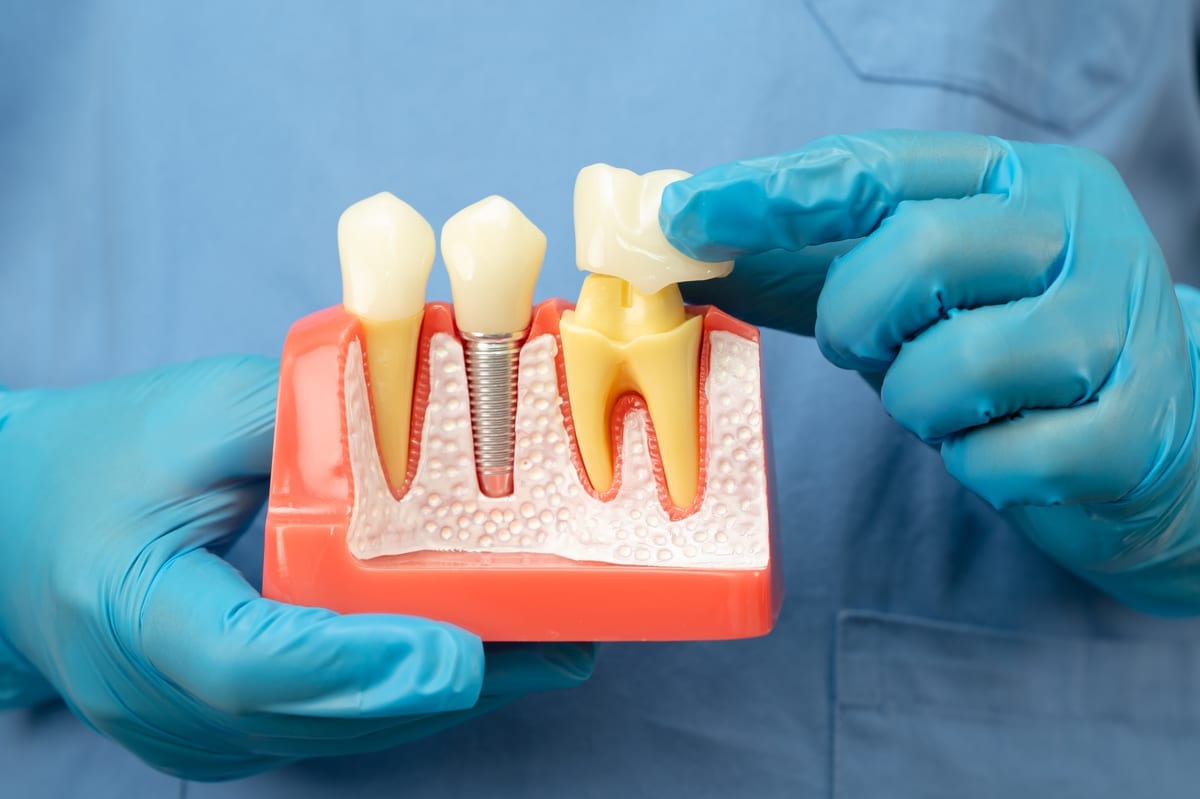
A dental crown covers the entire tooth. It wraps around all surfaces — front, back, sides, and biting edge. A veneer, by contrast, covers only the front-facing surface of a tooth. That single difference drives almost every clinical decision your dentist makes.
Crowns are typically made from metal-free ceramic or porcelain materials. Veneers are thin porcelain or composite shells bonded to the tooth’s front surface. Both can look completely natural. But their structural roles are fundamentally different.
Think of a crown as a protective cap. Think of a veneer as a cosmetic facing. When your tooth needs protection and restoration, a crown is usually the right call. When your tooth is structurally healthy but cosmetically imperfect, a veneer often makes more sense.
When Your Dentist Recommends a Crown Over a Veneer in Mansfield
Your dentist will likely recommend a crown when your tooth has significant structural damage. This includes large cavities, cracks, fractures, or teeth that have had root canal treatment. A veneer simply cannot provide the protection these situations require.
Here are the most common clinical reasons a dentist chooses a crown:
- The tooth has lost more than 50% of its natural structure
- A large filling has weakened the remaining tooth
- The tooth is cracked or fractured below the gumline
- Root canal treatment has made the tooth brittle
- The tooth needs to anchor a dental bridge
- Severe grinding has worn down the biting surface
In these cases, a veneer would not hold up under biting pressure. It could chip, debond, or fail entirely. A crown distributes force across the whole tooth and keeps it functional long-term. South Arlington Smiles offers metal-free crowns that blend seamlessly with your natural teeth while providing full structural protection.
When a Veneer Is the Better Clinical Choice
Veneers are ideal when the tooth itself is healthy and strong. The goal is purely cosmetic improvement — covering stains, chips, gaps, or mild misalignment. Because veneers remove very little tooth enamel, they are considered a more conservative option.
Your dentist may recommend a veneer in these situations:
- Permanent staining that whitening cannot fix
- Minor chips on the front teeth
- Small gaps between front teeth
- Slightly irregular or uneven tooth shape
- Worn enamel on the visible surface only
Veneers fall under Cosmetic Dentistry Mansfield services because they primarily address appearance rather than function. If your tooth has underlying decay or structural weakness, a veneer placed over it could trap bacteria or fail prematurely. Your dentist must confirm the tooth is healthy before recommending this path.
The Role of Preventive Care in Your Decision
Here is something many patients do not realize: the need for a crown can often be avoided with consistent preventive care. Regular checkups help your dentist catch small problems before they become large structural ones. A small cavity treated early may only need a filling. Left untreated, that same cavity could eventually require a crown.
This is why Preventive Dentistry Mansfield plays such an important role in long-term dental health. Routine teeth cleanings and checkups give Dr. Talon Davis the chance to monitor your teeth closely. Catching issues early keeps your options open — and often less invasive.
If you are already at the stage where a crown or veneer is being discussed, that is perfectly okay. But maintaining regular visits after treatment protects your investment significantly. Both crowns and veneers last longer in a healthy, well-maintained oral environment.
How Dr. Talon Davis Evaluates Your Specific Situation
No two teeth are exactly alike. Dr. Davis conducts a thorough clinical evaluation before recommending either treatment. This typically includes digital X-rays, a visual examination, and an assessment of your bite and overall oral health.
He considers several key factors during that evaluation:
- How much natural tooth structure remains
- Whether decay is present
- The health of the surrounding gum tissue
- Your bite force and grinding habits
- Your cosmetic goals and expectations
This process is not about upselling a more expensive option. It is about matching the right solution to your specific clinical need. A veneer placed on a compromised tooth is not a bargain — it is a setup for future failure. A crown on a healthy cosmetic case removes more tooth structure than necessary. Good dentistry means recommending what is actually right for you.
Conclusion: Making the Right Choice for Your Smile
Understanding crowns vs. veneers helps you become a more informed patient. The decision your dentist makes is rooted in clinical reasoning, not preference. When the tooth needs protection, a crown does the job. When the tooth is healthy and the goal is cosmetic, a veneer is often the smarter, more conservative choice.
Dr. Talon Davis and the team at South Arlington Smiles are here to walk you through every step of that decision. Mansfield patients deserve clear explanations and care that puts their long-term health first. Book Now to schedule your appointment with our team.
Frequently Asked Questions
Can a veneer be placed over a cracked tooth?
Generally, no. A cracked tooth needs structural reinforcement that a veneer cannot provide. Your dentist will likely recommend a crown to protect the tooth and prevent the crack from spreading further.
Are metal-free crowns as strong as traditional metal crowns?
Modern metal-free crowns made from high-strength ceramic materials are extremely durable. They are strong enough to handle normal biting forces and look far more natural than metal alternatives. Dr. Davis uses metal-free crowns at South Arlington Smiles for both function and aesthetics.
How long do veneers typically last?
Porcelain veneers typically last between 10 and 15 years with proper care. Composite veneers may last 5 to 7 years. Regular dental checkups and good oral hygiene habits significantly extend their lifespan.
Will my dentist always tell me which option I need, or can I request one?
Your dentist will make a clinical recommendation based on the health of your tooth. You can always ask questions and discuss your goals. However, choosing a veneer on a structurally compromised tooth is not clinically appropriate. Your dentist’s recommendation protects both your health and your investment.
Do crowns and veneers require special maintenance?
Neither crowns nor veneers require dramatically different care. Brushing twice daily, flossing, and attending regular cleanings will keep them in excellent condition. Avoiding habits like biting fingernails or chewing ice also helps protect both restorations over time.