1450 Debbie Ln #130, Arlington, TX 76002


Understanding what to expect during dental implant recovery week by week can ease anxiety and help you heal faster. Dental implants are a life-changing solution for missing teeth. But the recovery process requires patience and proper care. Our dental team at South Arlington Smiles wants you to feel fully prepared before and after your procedure.
Recovery is not one-size-fits-all. Your healing timeline depends on your overall health, bone density, and how many implants were placed. That said, most patients follow a predictable recovery pattern. Knowing what comes next empowers you to make smart decisions at every stage.
Week-by-Week Dental Implant Recovery Timeline
The first 24 to 48 hours are the most critical. You will likely experience swelling, mild bleeding, and discomfort immediately after surgery. These reactions are completely normal and expected. Your body is beginning the natural healing process around the implant site.
By days three through five, swelling typically peaks and then starts to subside. Many patients notice bruising around the jaw or cheek area during this time. You may still feel tenderness when chewing or speaking. Rest as much as possible and avoid strenuous activity during these early days.
Week two brings noticeable improvement for most patients. The gum tissue begins to close around the implant. Soreness decreases significantly by day ten to fourteen. Most people return to light work or daily routines by the end of week two.
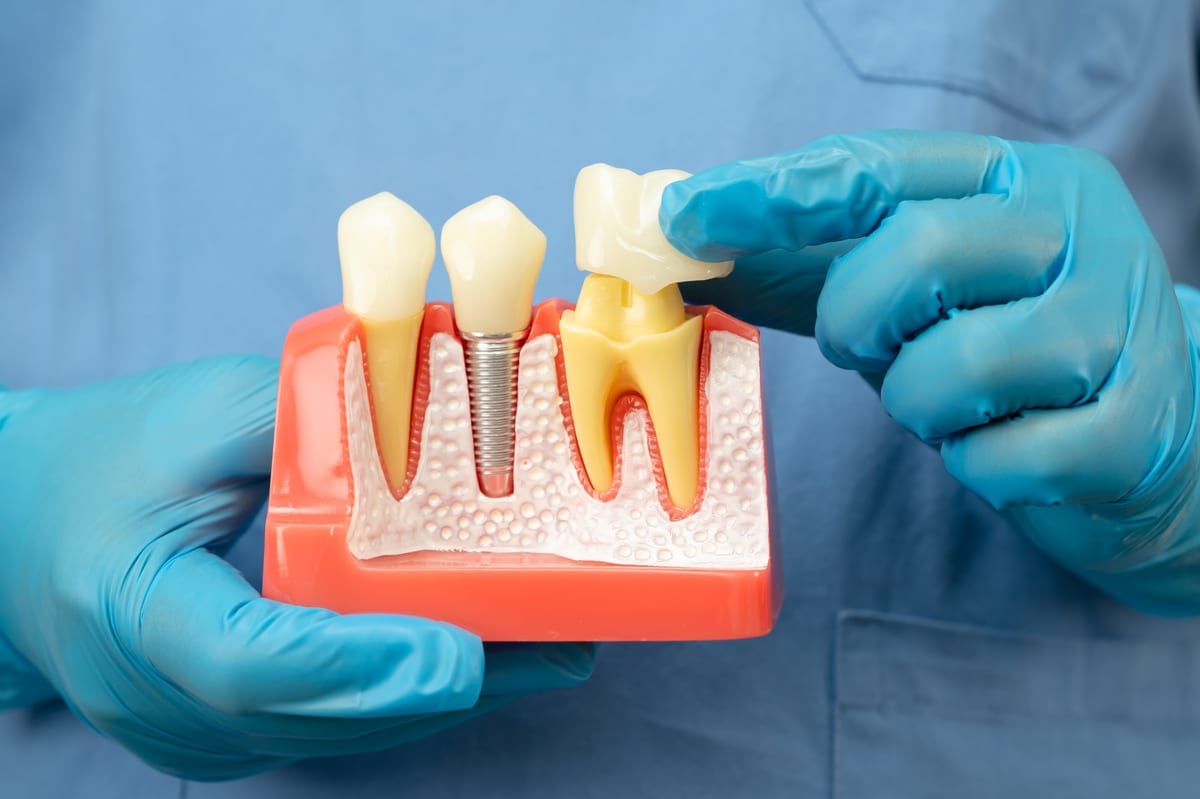
Weeks three through eight focus on osseointegration. This is the process where the implant fuses with your jawbone. You may feel little to no discomfort during this phase. Full osseointegration can take three to six months depending on individual healing factors.
What to Eat During Dental Implant Recovery
Your diet plays a huge role in how smoothly you heal. During the first week, stick to soft and liquid-based foods only. Hard, crunchy, or chewy foods can disturb the implant site. Protecting the surgical area from pressure is the top priority right now.
Here are foods that work well in the first two weeks of recovery:
- Smoothies and protein shakes
- Mashed potatoes and soft cooked vegetables
- Yogurt, applesauce, and pudding
- Scrambled eggs and soft fish
- Broth-based soups without chunks
By week three, most patients can slowly reintroduce softer solid foods. Avoid anything that requires aggressive chewing near the implant site. Listen to your body and stop eating if you feel pressure or pain. Your dental team will guide you on when to resume a normal diet.
Stay hydrated throughout recovery. Water supports tissue healing and keeps your mouth clean. Avoid using straws during the first few days. The suction motion can disrupt the clotting process and delay healing.
Managing Pain and Swelling After Implant Surgery
Pain management is an important part of what to expect during dental implant recovery week by week. Most discomfort is manageable with over-the-counter pain relievers. Your dental team may also prescribe medication depending on the complexity of your procedure. Always follow dosage instructions exactly as directed.
Ice packs are highly effective in the first 48 hours. Apply ice to the outside of your cheek in 20-minute intervals. This reduces swelling and numbs the area naturally. After 48 hours, switch to warm compresses if swelling persists.
Here are additional tips to manage discomfort during recovery:
- Keep your head elevated when sleeping to reduce swelling
- Avoid smoking or tobacco products entirely during healing
- Rinse gently with warm salt water starting 24 hours after surgery
- Avoid touching the surgical site with your tongue or fingers
- Skip alcohol during the first week as it can slow healing
Contact your dental team right away if you experience severe or worsening pain after day five. Unexpected pain could signal an infection or implant complication. Early intervention leads to better outcomes. Do not wait to reach out if something feels wrong.
Long-Term Care for Your Dental Implant
Once your implant fully integrates, daily care becomes simple and straightforward. Treat your implant like a natural tooth in terms of oral hygiene. Brush twice daily with a soft-bristled toothbrush. Floss carefully around the implant using implant-safe floss or an interdental brush.
Regular dental checkups are essential for long-term implant success. Our dental team will monitor the implant, surrounding bone, and gum tissue at each visit. Professional cleanings help prevent peri-implantitis, which is a form of gum disease affecting implants. Catching problems early protects your investment in your smile.
Avoid habits that can damage your implant over time. Do not chew ice, hard candy, or use your teeth as tools. If you grind your teeth at night, talk to our team about a custom night guard. Protecting the implant from excessive force preserves it for decades.
With proper care, dental implants can last a lifetime. Most patients report that implants feel just like natural teeth after full healing. The confidence and function they restore are well worth the recovery process. Staying committed to aftercare makes all the difference in long-term success.
When to Call Your Dental Team During Recovery
Knowing when to seek help is just as important as following your aftercare routine. Most recovery symptoms are mild and temporary. However, certain warning signs require prompt attention. Never dismiss symptoms that seem unusual or are getting worse over time.
Reach out to South Arlington Smiles if you experience any of the following:
- Severe pain that does not respond to medication
- Fever above 101 degrees Fahrenheit
- Heavy or persistent bleeding beyond the first 24 hours
- Implant that feels loose or shifts position
- Swelling that worsens after day five instead of improving
These symptoms are uncommon but should never be ignored. Our dental team is here to support you through every stage of healing. Prompt communication helps resolve issues quickly and protects your results. Your health and comfort are always our top priority.
Dental implant recovery is a manageable process when you know what to expect. Following your aftercare instructions carefully sets the foundation for lasting success. Our team at South Arlington Smiles is committed to guiding you through each step. Learn More about how we can help you achieve a healthy, confident smile.
Frequently Asked Questions
How long does dental implant recovery take?
Most patients feel comfortable within two weeks after surgery. Full osseointegration, where the implant fuses with the jawbone, takes three to six months. Your individual timeline depends on your health, bone quality, and the number of implants placed.
Is dental implant recovery painful?
Some discomfort is normal during the first few days after surgery. Most patients manage pain effectively with over-the-counter or prescribed pain relievers. Swelling and soreness typically improve significantly by the end of the first week.
What foods should I avoid after getting a dental implant?
Avoid hard, crunchy, chewy, or sticky foods during the first two to four weeks of recovery. These include nuts, chips, raw vegetables, and chewy candies. Soft foods and liquids protect the implant site and support proper healing.
Can I brush my teeth after dental implant surgery?
Yes, but be very gentle around the surgical site. Use a soft-bristled toothbrush and avoid direct contact with the implant area for the first few days. Your dental team will provide specific brushing instructions tailored to your procedure.
What are signs of a dental implant complication?
Warning signs include severe or worsening pain, persistent swelling after day five, fever, heavy bleeding, or a loose-feeling implant. Contact your dental team immediately if you notice any of these symptoms. Early treatment leads to better outcomes.