1450 Debbie Ln #130, Arlington, TX 76002


Most people brush and floss every day — and think that is enough. But what’s lurking below your gumline and why cleanings matter in Arlington is something many patients never consider. Hidden bacteria can silently destroy your gum tissue, bone, and teeth. Understanding this threat is the first step toward protecting your smile for life.
At South Arlington Smiles, Dr. Talon Davis sees this pattern regularly. Patients arrive without any noticeable pain, yet harmful activity is already happening beneath the surface. Professional cleanings are one of the most powerful tools we have to stop gum disease before it advances.
The Hidden World Below Your Gumline
Your mouth contains hundreds of bacterial species. Most are harmless or even beneficial. However, certain harmful bacteria thrive in the space between your teeth and gums — an area called the sulcus.
This pocket can deepen over time when bacteria accumulate there. The bacteria form a sticky film called plaque. When plaque is not removed, it hardens into tartar within just 24 to 72 hours.
Tartar cannot be removed with a toothbrush or floss alone. It bonds tightly to tooth surfaces and creates a rough surface where more bacteria collect. This cycle feeds itself constantly without professional intervention.
- Harmful bacteria release toxins that irritate gum tissue
- Your immune system responds with inflammation
- Inflammation gradually breaks down bone and soft tissue
- Deeper pockets form, allowing more bacteria to hide
- The cycle accelerates without professional cleaning
This process is largely painless in its early stages. That is precisely why so many Arlington patients are surprised when we identify early gum disease during a routine exam.
How Gum Disease Develops — and Why Cleanings Interrupt the Cycle
Gum disease progresses in stages. The first stage, gingivitis, involves inflammation of the gums only. At this stage, the damage is still reversible with consistent care.
If gingivitis is left untreated, it advances to periodontitis. At this stage, bacteria below the gumline begin attacking the bone that supports your teeth. Bone loss is not reversible — which makes early intervention critical.
Professional cleanings physically remove the tartar and bacteria that brushing cannot reach. Your hygienist uses specialized instruments to clean below the gumline safely and effectively. This directly interrupts the bacterial cycle that drives gum disease forward.
Regular cleanings also allow Dr. Davis to monitor your gum pocket depths over time. Tracking these measurements helps our team catch any progression early. Preventive Dentistry Arlington is built around exactly this kind of proactive monitoring and early action.
What Happens During a Professional Cleaning at South Arlington Smiles
Many patients are unsure what a professional cleaning actually involves. Understanding the process can reduce anxiety and set clear expectations before your visit.
A standard cleaning — called prophylaxis — removes plaque and tartar from above and just below the gumline. If your hygienist identifies deeper buildup or early periodontal concerns, a deeper cleaning called scaling and root planing may be recommended instead.
- Health review: Dr. Davis reviews your health history and any changes since your last visit
- Gum assessment: Your hygienist measures pocket depths around each tooth
- Scaling: Tartar and plaque are carefully removed from all tooth surfaces
- Root planing: If needed, rough root surfaces are smoothed to discourage future buildup
- Polishing: A gentle polish removes surface stains and leaves teeth feeling smooth
- Education: Your hygienist reviews homecare techniques tailored to your needs
This thorough process takes anywhere from 45 minutes to over an hour depending on your needs. Every step is designed to protect your gum health — not just clean your teeth superficially.
The Connection Between Gum Health and Your Overall Wellbeing
Research consistently links gum disease to serious systemic health conditions. The bacteria that thrive below your gumline can enter your bloodstream. Once in circulation, they may contribute to inflammation throughout the body.
Studies have connected untreated gum disease to increased risks of heart disease, diabetes complications, and respiratory issues. This is not about fear — it is about understanding the full picture of what oral health means for your body.
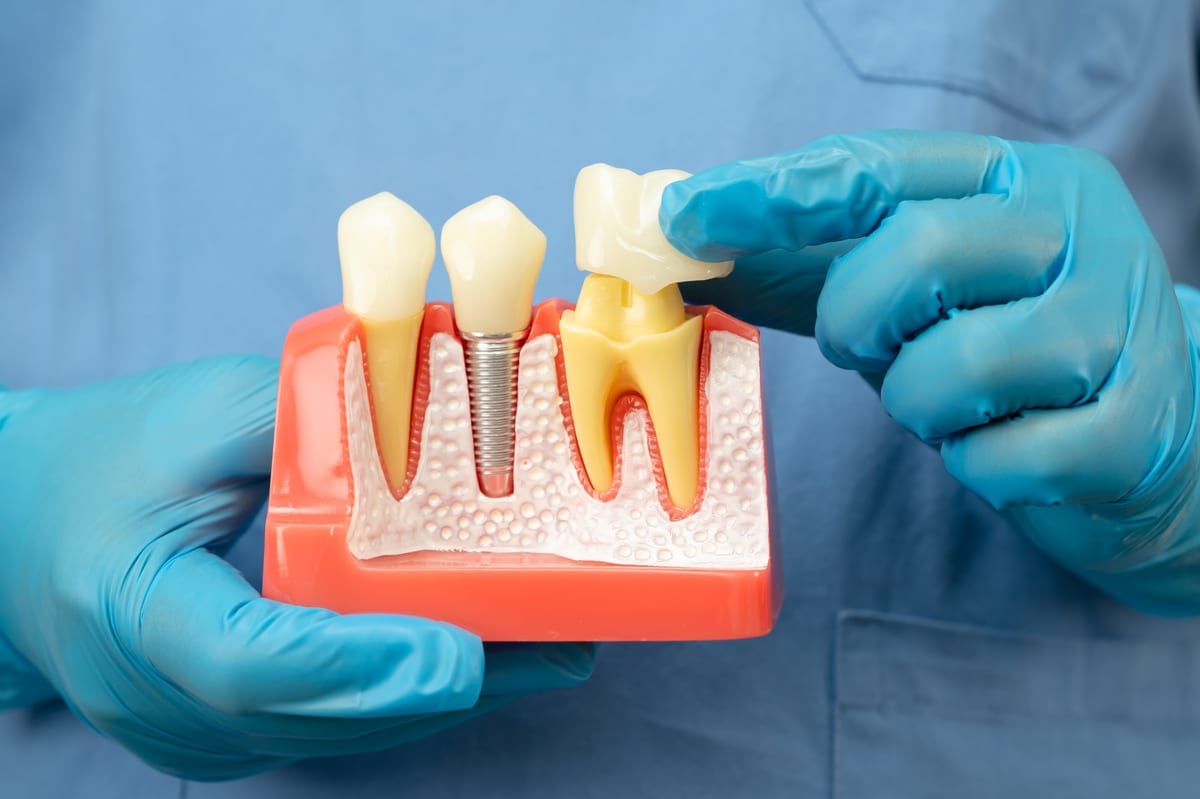
Healthy gums also support the long-term success of restorative treatments. Dental implants, crowns, and other restorations depend on a stable foundation of healthy bone and tissue. Neglecting gum health can undermine even the most carefully placed restoration.
- Gum disease is linked to higher cardiovascular risk
- Diabetic patients with gum disease often have worse blood sugar control
- Healthy gums support successful dental implant outcomes
- Treating gum disease may reduce systemic inflammation markers
- Good gum health protects your investment in any dental work
This is why Dr. Davis takes a whole-health approach to dentistry at South Arlington Smiles. Your mouth is not separate from the rest of your body — and we treat it accordingly.
How Often Should Arlington Patients Schedule Cleanings?
Most healthy adults benefit from professional cleanings every six months. However, patients with a history of gum disease often need more frequent visits — typically every three to four months.
Your cleaning schedule should be personalized to your specific risk level. Factors like genetics, smoking history, certain medications, and systemic conditions all influence how quickly tartar builds up. Dr. Davis will recommend a frequency that makes sense for your mouth.
Skipping cleanings — even when your teeth feel fine — allows bacterial communities to re-establish and grow stronger. The six-month guideline exists because that is roughly how long it takes for tartar levels to reach a problematic point in most people.
If you are looking to go beyond cleanings and address the appearance of your smile as well, Cosmetic Dentistry Arlington options are available at South Arlington Smiles. A healthy foundation always comes first, but we are here to help with both function and aesthetics.
Take the Next Step for Your Gum Health in Arlington
Gum disease is common — but it is also largely preventable with consistent professional care. The bacteria hiding below your gumline can cause real, lasting damage if left unchecked. Understanding what’s lurking below your gumline and why cleanings matter in Arlington empowers you to take action before problems escalate.
Dr. Talon Davis and the team at South Arlington Smiles are here to guide you at every step. Whether you are overdue for a cleaning or concerned about gum sensitivity, we will assess your needs with care and without judgment. Our goal is always to help you maintain a healthy, confident smile for the long term.
Do not wait for symptoms to appear before scheduling your next visit. Early intervention saves teeth, protects your health, and costs far less than treating advanced disease. Book Now to schedule your appointment with our team.
Frequently Asked Questions
How do I know if I have bacteria below my gumline?
Most people cannot detect subgingival bacteria on their own. Common warning signs include bleeding gums when brushing, persistent bad breath, gum swelling, or teeth that feel loose. However, many cases have no obvious symptoms early on. A professional exam and gum measurement by Dr. Davis is the only reliable way to assess what is happening below the gumline.
Is a professional cleaning painful?
Most patients experience little to no discomfort during a standard cleaning. If your gums are inflamed or you have significant tartar buildup, there may be some sensitivity. Your hygienist can apply a topical numbing agent to make the process more comfortable. Patients who keep up with regular cleanings typically find the process easier over time.
What is the difference between a regular cleaning and a deep cleaning?
A regular cleaning — called prophylaxis — removes plaque and tartar from above and just below the gumline. It is appropriate for patients with generally healthy gums. A deep cleaning, or scaling and root planing, goes further below the gumline to address established gum disease. Dr. Davis will recommend the appropriate type based on your gum pocket measurements and clinical findings.
Can gum disease be reversed?
Gingivitis, the earliest stage of gum disease, can be fully reversed with professional cleaning and improved homecare. Once gum disease advances to periodontitis and bone loss occurs, the damage cannot be reversed — but it can be managed and stabilized. This is why early detection and consistent cleanings are so important for long-term gum health.
How soon after a cleaning should I come back?
For patients with healthy gums, every six months is typically recommended. If Dr. Davis identifies any signs of gum disease or elevated risk, he may recommend returning every three to four months. Your recall interval will be personalized based on your gum health, medical history, and homecare habits. Following the recommended schedule is the single most effective step you can take to prevent gum disease from progressing.