1450 Debbie Ln #130, Arlington, TX 76002


Most people don’t realize their jawbone starts shrinking the moment a tooth is lost. This bone loss is silent, painless, and surprisingly fast. By the time visible changes appear, significant damage may already be done. If you’ve been putting off dental implants in Arlington, your body may already be sending you warning signals you shouldn’t ignore.
At South Arlington Smiles, Dr. Talon Davis sees patients every week who waited longer than they should have. Understanding the signs early can mean the difference between a straightforward implant procedure and a complex bone-grafting process. Here’s what to watch for — and why acting sooner protects both your smile and your overall health.
Why Your Jawbone Shrinks After Tooth Loss in Arlington
Your jawbone stays strong because tooth roots stimulate it every time you chew. When a tooth is gone, that stimulation disappears. The bone begins to resorb — essentially dissolving — within just a few months of tooth loss.
Studies show you can lose up to 25% of jaw width in the first year alone. Over time, this bone loss changes your facial structure. It can make you look older, alter your bite, and make future implant placement much harder.
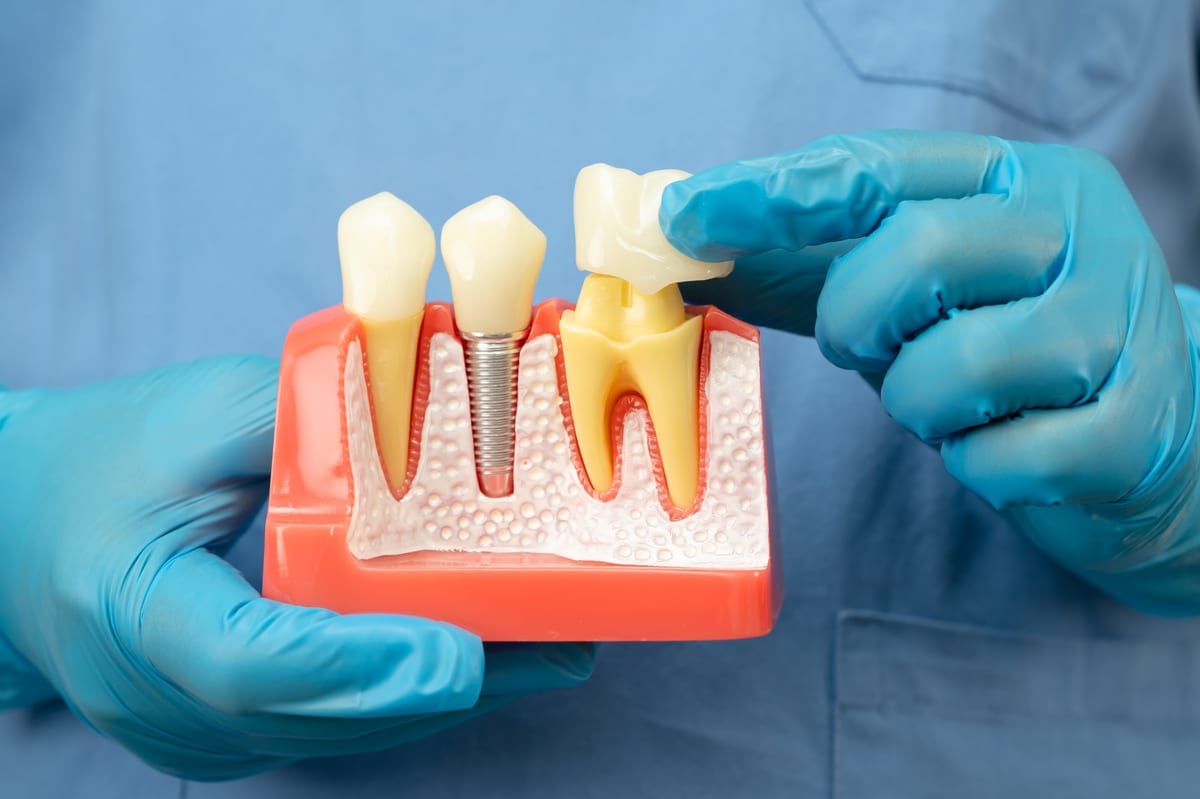
Dental implants work by replacing the missing root with a titanium post. This restores the stimulation your jawbone needs to stay healthy. But waiting too long means there may not be enough bone left to anchor an implant securely without additional procedures.
Sign 1 — Your Face Looks Sunken or Aged
Bone loss doesn’t stay invisible forever. Once enough jawbone shrinks, your face begins to show it. Many patients describe looking older than they feel — and they’re right to notice the change.
Without bone support, the lower third of your face can collapse inward. Lips may thin. Cheeks may appear hollow. The chin can seem more prominent than before.
This isn’t just a cosmetic concern. It signals that significant bone loss has already occurred beneath the surface. If you’ve noticed these facial changes, scheduling a consultation at South Arlington Smiles should be a priority — not an afterthought.
Sign 2 — Your Remaining Teeth Are Shifting
Teeth rely on their neighbors for positional stability. When one tooth disappears, the surrounding teeth begin drifting toward the empty space. This shifting happens gradually, so many patients don’t notice until their bite feels different.
Shifted teeth create serious problems beyond aesthetics. They become harder to clean properly, increasing your cavity and gum disease risk. They also change how your upper and lower teeth meet — a misaligned bite stresses the jaw joint and surrounding muscles.
Good Preventive Dentistry Arlington habits can slow some damage, but they cannot stop the drift caused by missing teeth. Only replacing the missing tooth — ideally with an implant — halts this chain reaction for good.
Sign 3 — Chewing Has Become Painful or Difficult
If certain foods feel impossible to eat, your body is telling you something important. Difficulty chewing is one of the clearest signs that tooth loss and bone changes have progressed.
Patients often start avoiding hard or crunchy foods. They chew only on one side of their mouth. Over time, this uneven chewing pattern accelerates bone loss on the less-used side.
Poor chewing also affects digestion. When you can’t break down food properly, your stomach works harder. Nutritional deficiencies can follow, impacting your energy, immunity, and overall wellness. Replacing missing teeth restores your ability to eat the full range of foods your body needs.
Sign 4 — Your Dentures No Longer Fit Well
Ill-fitting dentures are a major red flag for advanced bone loss. Dentures sit on top of the gum and bone — they don’t replace the missing root. So bone loss continues underneath them, changing the shape of your jaw over time.
Signs your dentures no longer fit properly include:
- Slipping or clicking during eating or speaking
- Sore spots or irritation on your gums
- Needing more adhesive than you used to
- Visible gaps between the denture and your gum line
- Difficulty pronouncing certain words clearly
Implant dentures solve this problem by anchoring directly into the jawbone. They stimulate bone just like natural teeth do, preventing further shrinkage. If your dentures are constantly shifting, this is a strong sign that implant-supported options deserve serious consideration.
Sign 5 — You’ve Already Lost Multiple Teeth
One missing tooth is serious. Multiple missing teeth dramatically accelerate bone loss across the entire jaw. The more teeth you’ve lost, the more widespread the structural damage becomes.
Multiple tooth loss also creates a compounding effect. Each lost tooth speeds the deterioration of bone near neighboring teeth — which then become weaker and more likely to fail. This cycle can leave patients with very little remaining bone to work with.
Implant dentistry has advanced significantly. Even patients with multiple missing teeth or extensive bone loss often have options. But earlier intervention consistently leads to better outcomes, simpler procedures, and faster recovery times.
What Happens If You Wait Even Longer?
Delaying implants doesn’t just mean more bone loss — it often means more complex treatment when you finally act. Patients who wait too long frequently require bone grafting before implants can be placed. This adds time, cost, and healing phases to the overall process.
Here’s what prolonged waiting can lead to:
- Extensive jawbone resorption requiring grafting procedures
- Shifting teeth that need orthodontic correction before implant placement
- Increased risk of gum disease in the gaps left by missing teeth
- Greater impact on facial appearance and self-confidence
- More limited implant options due to reduced bone volume
The good news? Dr. Talon Davis evaluates each patient individually. Many people who believe they’ve waited too long are still excellent candidates for implants. A thorough examination with imaging gives you real answers — not guesses.
Your Next Step at South Arlington Smiles
Recognizing these warning signs is the first step. Taking action is the second. At South Arlington Smiles, Dr. Talon Davis and the team provide compassionate, comprehensive care for patients at every stage of tooth loss. Whether you’re missing one tooth or several, a personalized evaluation helps you understand exactly where you stand and what your options are.
We also offer Cosmetic Dentistry Arlington services that can complement your implant treatment — restoring both function and the appearance of your smile. Our goal is always to give you the clearest picture of your oral health so you can make confident, informed decisions.
Don’t let another month pass while your jawbone continues to change. The sooner you act, the more options remain available to you. Book Now to schedule your appointment with our team.
Frequently Asked Questions
How quickly does jawbone loss happen after losing a tooth?
Bone resorption begins almost immediately after tooth loss. Research shows the jawbone can lose up to 25% of its width within the first year. The rate slows over time but never fully stops without an implant or another root-replacing solution in place.
Can I still get dental implants if my bone has already shrunk significantly?
Many patients with notable bone loss are still candidates for implants. Dr. Talon Davis will take detailed imaging to assess your bone volume. In some cases, a bone grafting procedure is performed first to rebuild the foundation needed for a successful implant.
Are dental implants painful to receive?
Most patients report that the procedure is far more comfortable than they expected. Local anesthesia is used throughout the placement. Mild soreness for a few days afterward is normal, and most patients return to regular activities quickly.
How long do dental implants last compared to other tooth replacement options?
With proper care, dental implants can last decades — often a lifetime. They are the only tooth replacement option that also preserves jawbone health. Traditional dentures and bridges do not stimulate the bone and need to be replaced or adjusted over time as the jaw changes shape.
What should I do if I think I’ve already waited too long for implants in Arlington?
Schedule a consultation as soon as possible. Many patients who feel they’ve missed their window are still excellent candidates for implant treatment. Dr. Talon Davis will give you an honest, thorough assessment and walk you through every available option based on your specific situation.