1450 Debbie Ln #130, Arlington, TX 76002


Your smile after 60 deserves the same attention as the rest of your health. In Arlington, TX, many adults over 60 notice changes in their teeth and gums that they never experienced before. Understanding why these changes happen helps you stay ahead of serious problems. At South Arlington Smiles, Dr. Talon Davis helps seniors navigate these shifts with confidence and care.
Aging affects every system in your body — and your mouth is no exception. Medications, lifestyle changes, and natural wear all play a role. The good news is that with the right Preventive Dentistry Arlington approach, most age-related dental problems are manageable. Knowing what to watch for makes all the difference.
How Your Smile After 60 Changes in Arlington and Why It Matters
After age 60, several biological and lifestyle factors combine to change your oral health needs. Saliva production often decreases, enamel thins from decades of use, and gums begin to recede. These are not signs of poor hygiene — they are natural parts of aging that require updated care strategies.
Dry mouth is one of the most common complaints among seniors. Many medications — including those for blood pressure, anxiety, and allergies — reduce saliva flow. Saliva is your mouth’s natural defense against decay, so less of it means higher cavity risk. Patients in Arlington often discover this connection only after their first cavity in decades.
Gum recession is another major concern. As gums pull back, the softer root surfaces of teeth become exposed. Root decay develops much faster than decay on enamel. This is why regular checkups become even more critical after 60, not less.
Dry Mouth, Root Decay, and Gum Recession: What Seniors Face
Root decay targets the exposed areas near the gumline. These surfaces lack the hard enamel that protects the crowns of your teeth. Bacteria attach easily and cause cavities that progress quickly. Early detection through routine exams is the best defense.
Here are the most common oral health concerns Dr. Talon Davis sees in patients over 60:
- Dry mouth caused by prescription medications
- Gum recession exposing vulnerable root surfaces
- Root decay developing faster than crown decay
- Increased sensitivity to hot and cold foods
- Cracked or worn teeth from years of grinding
- Loose or ill-fitting dentures affecting chewing and speech
Addressing these issues early prevents them from becoming costly or painful. Many seniors in Arlington avoid the dentist because they assume these problems are inevitable. In reality, most are treatable — and many are preventable with the right plan.
Dr. Davis recommends more frequent cleanings for patients dealing with dry mouth or recession. A six-month schedule may shift to every three or four months depending on your situation. This proactive approach keeps small problems from becoming major ones.
Dentures vs. Dental Implants: Making the Right Choice After 60
Many adults over 60 face decisions about replacing missing teeth. Traditional dentures have long been the standard option. However, dental implants have become increasingly popular among seniors who want a permanent, stable solution. Understanding both options helps you choose what fits your life best.
Dentures are removable appliances that replace full arches of missing teeth. They restore function and appearance effectively. However, they can shift during eating or speaking and require daily removal for cleaning. Over time, bone loss beneath the gums can cause them to fit poorly.
Implant dentures combine the stability of implants with the coverage of a full denture. Small titanium posts anchor the denture securely to your jaw. This option reduces slipping and supports jawbone health. Many patients describe eating and speaking with implant dentures as feeling far more natural.
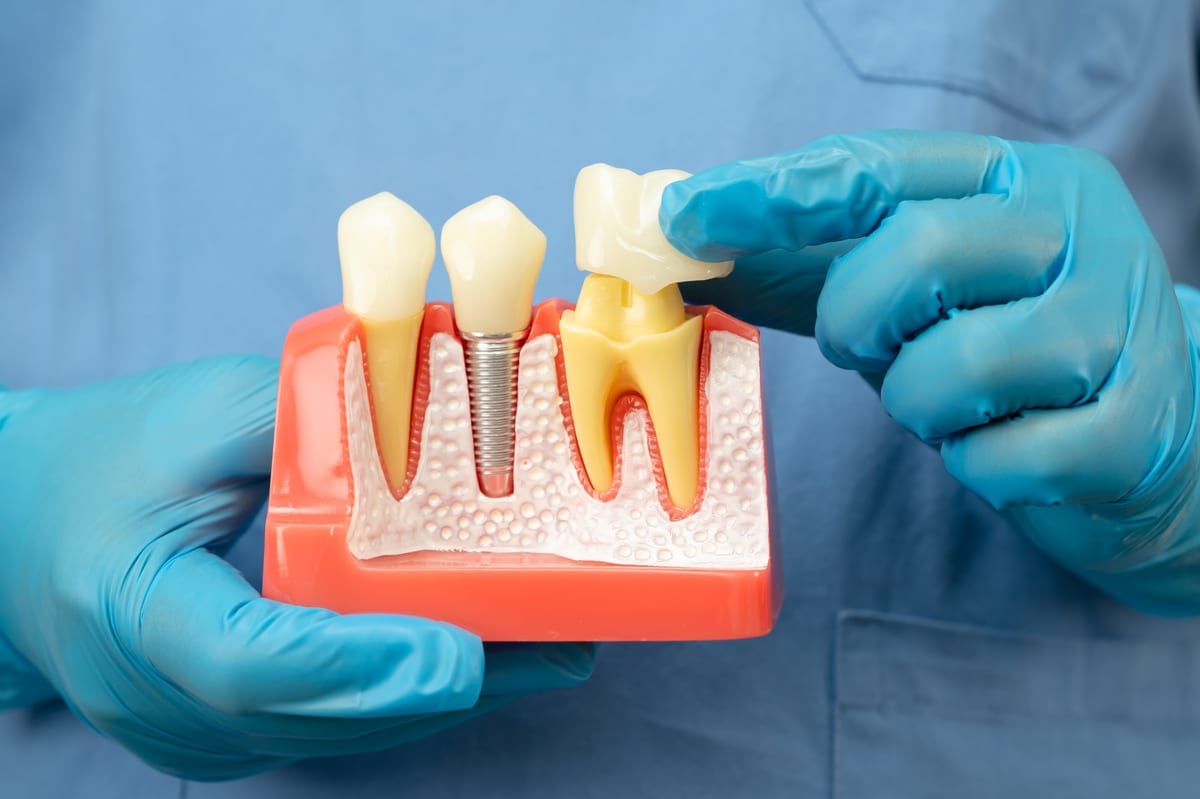
Standard dental implants replace individual missing teeth. Each implant acts as an artificial root topped with a lifelike crown. For seniors with good bone density and overall health, implants offer a long-term solution that functions just like natural teeth. Dr. Davis evaluates each patient’s bone health and medical history before recommending implants.
Metal-Free Crowns and Restorations for Aging Smiles
Older restorations — metal fillings, older crowns, and worn bridges — often need updating as patients age. Metal restorations can crack surrounding teeth over time. They also expand and contract with temperature changes, which stresses the tooth structure around them.
Metal-free crowns offer several advantages for seniors:
- They match the natural color and translucency of real teeth
- They do not cause sensitivity related to temperature changes
- They place less stress on surrounding tooth structure
- They are biocompatible and safe for patients with metal sensitivities
- They look natural in photos and everyday life
At South Arlington Smiles, metal-free crowns are crafted to blend seamlessly with your existing teeth. Dr. Davis takes precise measurements to ensure a comfortable, lasting fit. Replacing old metal restorations can also improve the overall health of surrounding teeth.
Cosmetic improvements at this stage of life are about more than appearance. Strong, well-fitted restorations help you chew properly, which supports digestion and nutrition. For seniors managing multiple health conditions, good oral function is directly linked to overall wellness.
Building a Senior-Friendly Dental Routine in Arlington
Adjusting your daily habits after 60 makes a significant impact on long-term oral health. Brushing with a soft-bristled toothbrush protects receding gums from further irritation. Fluoride toothpaste remains essential at any age — it strengthens enamel and helps prevent root decay.
Staying hydrated combats dry mouth naturally. Sipping water throughout the day keeps the mouth moist and rinses away food particles. Sugar-free gum or lozenges can also stimulate saliva flow between meals. Ask Dr. Davis about prescription fluoride treatments or special rinses if your dry mouth is severe.
Routine visits to South Arlington Smiles allow Dr. Davis to monitor changes before they escalate. Oral cancer screenings become especially important after age 60, as risk increases with age. A comprehensive checkup covers more than just your teeth — it looks at soft tissues, bite alignment, and jaw health too.
If you are considering cosmetic updates alongside your health maintenance, explore Cosmetic Dentistry Arlington options that fit your goals and comfort level. Many seniors are surprised by how accessible and beneficial these treatments can be.
Conclusion: Protecting Your Smile Through Every Decade
Your smile after 60 can still be healthy, functional, and confident with the right care. The dental needs that come with aging are manageable when addressed early and consistently. Dr. Talon Davis and the team at South Arlington Smiles are committed to helping Arlington seniors navigate these changes with personalized, compassionate care. Book Now to schedule your appointment with our team.
Frequently Asked Questions
Why do seniors experience more cavities even with good oral hygiene?
Dry mouth from medications reduces saliva, which normally neutralizes acids and washes away bacteria. Without enough saliva, decay-causing bacteria thrive. Root surfaces exposed by gum recession are also softer than enamel and decay more quickly. More frequent cleanings and fluoride treatments can help reduce this risk significantly.
Are dental implants safe for patients over 60?
Yes, dental implants are a safe and effective option for many seniors. Candidacy depends on bone density, overall health, and specific medical conditions. Dr. Talon Davis conducts a thorough evaluation before recommending implants. Many patients over 60 and even over 70 successfully receive implants and enjoy lasting results.
How often should seniors visit the dentist?
Most dental professionals recommend at least two visits per year for adults of all ages. Seniors with dry mouth, gum recession, or active decay may benefit from visits every three to four months. More frequent cleanings allow the care team to catch problems early and adjust your home care routine as needed.
What is the difference between implant dentures and traditional dentures?
Traditional dentures rest on the gums and may shift during eating or speaking. Implant dentures attach to titanium posts embedded in the jawbone, providing a secure, stable fit. They also help preserve jawbone density, which traditional dentures do not. Many patients find implant dentures more comfortable and natural-feeling for daily use.
Can gum recession be treated or reversed?
Gum recession cannot be fully reversed without surgical intervention, but its progression can be slowed significantly. Switching to a soft-bristled toothbrush, improving brushing technique, and attending regular cleanings all help. In cases of significant recession, a periodontist may recommend a gum grafting procedure. Dr. Davis monitors recession closely and refers patients when treatment is needed.